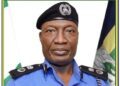
The United Nations’ special adviser on the prevention of genocide, Chaloka Beyani, says conflicts are increasingly targeting civilians and heightening the risk of atrocity crimes globally.
mr Beyani gave the warning ahead of the International Day of Commemoration and Dignity of the Victims of the Crime of Genocide and of the Prevention of this Crime on December 9.
The UN official also warned that the world is witnessing an alarming erosion of respect for international law amidst the rise in global atrocities.
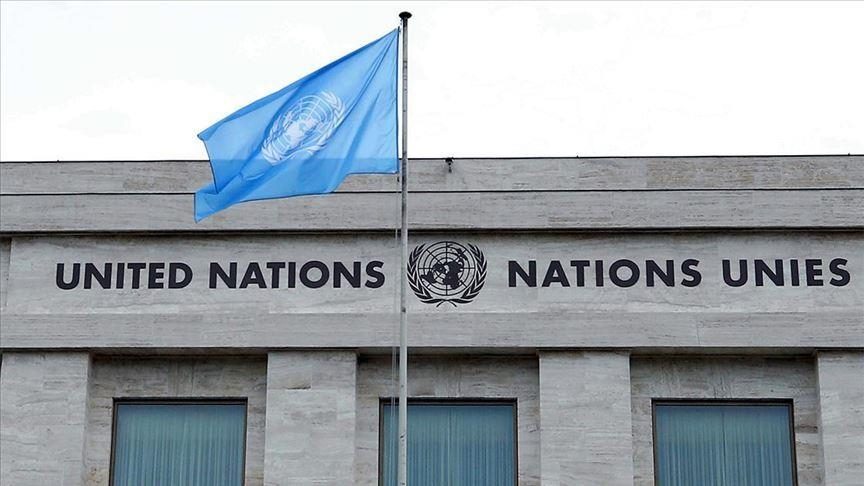
The Office on the Prevention of Genocide and the Responsibility to Protect functions as an early warning system within the UN. It alerts the secretary-general, the Security Council, and the wider UN system, in that order, when the risk of atrocity crimes, including genocide, is detected.
The office draws on the 1948 Convention on the Prevention and Punishment of the Crime of Genocide and legal opinions on genocide-related court cases. The office also monitors and analyses 14 factors, ranging from armed conflict involving ethnic or religious groups to hate speech and the collapse of the rule of law, among others.
Genocide is derived from the Greek prefix genos (meaning people, race, or tribe) and the Latin suffix cide (meaning killing). According to international law, genocide means any of the acts committed with the intent to destroy, in whole or in part, a national, ethnical, racial, or religious group. These include killing members of a group or causing serious bodily or mental harm to members of a group. It also includes deliberately inflicting on the group conditions of life calculated to bring about its physical destruction in whole or in part. The other is imposing measures intended to prevent births within the group or forcibly transferring children of the group to another group.
When these risks exhibit a violent pattern, Mr Beyani issues advisories and coordinates responses with UN officials, while maintaining close links with regional organisations such as the AU and the EU, as well as other international mechanisms.
“Once our Office sounds the alarm, it signals that the threshold is about to be crossed,” he said. “Our role is not to determine genocide but to prevent it.”
He noted that indigenous communities, often targeted in disputes over land and natural resources, are among the groups most in need of protection.
“Extraction industries and deliberate actions against them put them at enormous risk,” he said. “Their identity and way of life make them particularly vulnerable, Beyani emphasised, stressing that his Office defers to international courts to determine whether the crime has been committed.”
He also underscored the important role of the courts and justice in protecting vulnerable people.
“The one thing that you want to do in the context of dealing with atrocities is to make aware those who are participating in conflicts that they’re being watched and monitored,” Mr Beyani said. “Prevention includes accountability.”
Among emerging threats that Mr Beyani’s Office monitors are misinformation and hate speech.
His office works with technology companies like Meta and Google to address online incitement and with religious and community leaders to counter hate narratives at the local level.
“This office was designed to engage quietly, to advise the secretary-general and the Security Council, and to make public statements when necessary,” he explained. “States see it as threatening in some respects.”
(NAN)