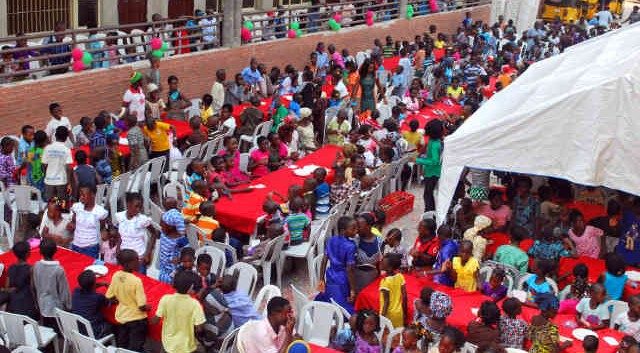
The Nigeria Centre for Disease Control and Prevention has warned Nigerians of increased risks of Lassa fever, cerebrospinal meningitis and food-borne diseases during the festive season, urging the public to celebrate responsibly and prioritise health and safety.
Jide Idris, NCDC director-general, gave the warning in a signed public health advisory on Wednesday.
Mr Idris said the festive period, characterised by increased travel, large social gatherings and food sharing, coupled with dry-season conditions, heightened the risk of infectious disease transmission.
“Lassa fever, according to the agency, is an acute viral haemorrhagic illness endemic in Nigeria and several West African countries, with outbreaks often occurring during the dry season.
“The disease is primarily transmitted to humans through contact with food or household items contaminated by the urine or faeces of infected rodents, while secondary transmission can occur through direct contact with the body fluids of infected persons,” he said.
Lassa fever may include fever, weakness, headache, and vomiting and, in severe cases, bleeding, adding that early detection and treatment significantly improve survival.
He advised Nigerians to store food in tightly covered containers, maintain clean environments, dispose of waste far from homes and avoid bush burning, which could drive rodents into residential areas.
According to Mr Idris, cerebrospinal meningitis can spread through respiratory droplets, especially in overcrowded and poorly ventilated environments, and could result in death or long-term complications such as hearing loss and brain damage if not treated promptly.
He urged Nigerians to avoid overcrowded spaces, ensure good ventilation, cover the mouth and nose when coughing or sneezing and seek immediate medical care if symptoms such as neck stiffness, fever, nausea, sensitivity to light or seizures occur.
He stressed the importance of vaccination for children and adults in high-risk areas and cautioned against self-medication.
Regarding food-borne and diarrhoeal diseases, he said such illnesses were commonly caused by consuming contaminated food or water, often linked to poor food handling, inadequate hygiene and unsafe water sources.
He explained that symptoms might include diarrhoea, vomiting, abdominal pain and dehydration, noting that children, the elderly and individuals with weakened immunity were most at risk of severe outcomes.
Mr Idris advised the public to wash hands thoroughly before and after food preparation, cook meals properly, store leftovers in cool conditions, avoid consuming food left out for long periods and drink safe, clean water.
He expressed concern that infections during the festive season could often lead to inappropriate antibiotic use, which contributes to antimicrobial resistance, a growing public health threat in Nigeria.
Mr Idris said NCDC had intensified disease surveillance nationwide, supported state-level response efforts, ensured access to rapid laboratory testing and activated emergency response systems throughout the festive season.
He advised Nigerians who feel unwell or observe suspected cases to report immediately to the nearest health facility or call its 24-hour toll-free line, 6232.
He also encouraged regular handwashing, use of face masks in crowded or poorly ventilated places, physical distancing where possible and keeping routine vaccinations up to date.
(NAN)