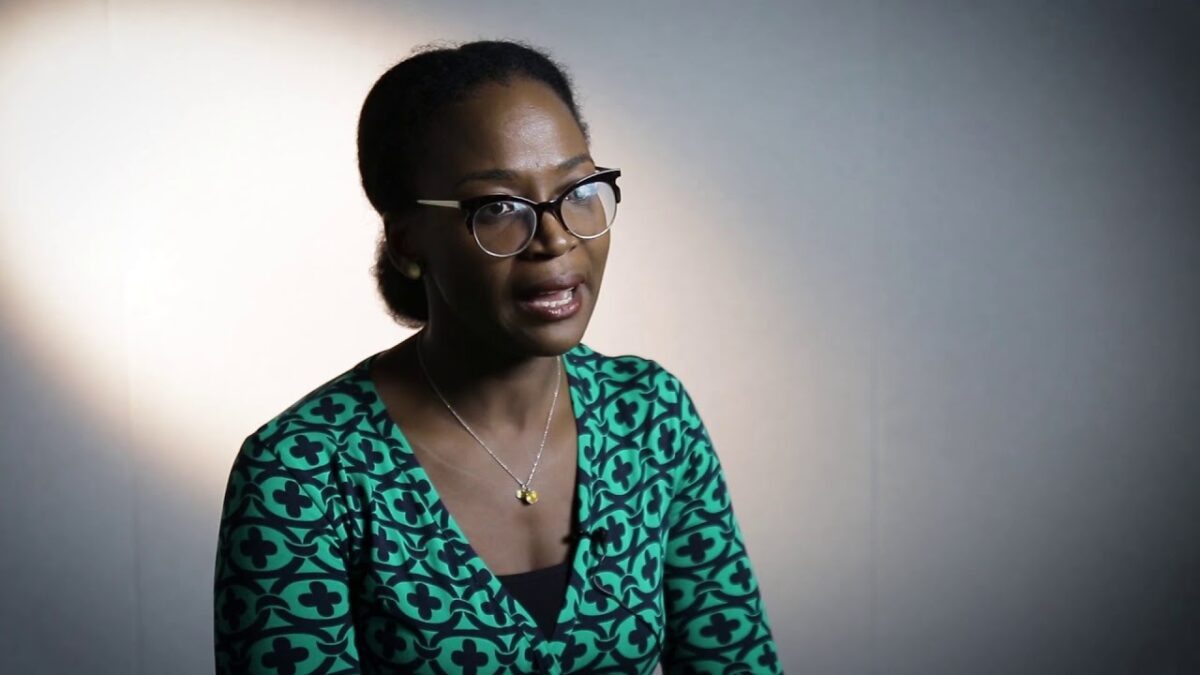
Leena Koni Hoffmann, an associate fellow in the Africa Programme at Chatham House, a London-based world-leading independent policy institute, has lamented rising poverty and food crisis in Nigeria.
She dismissed President Bola Tinubu’s recent Royal visit to the UK as mere diplomatic engagement without “concrete benefits” for ordinary Nigerians.
Ms Hoffmann, a top official at the globally renowned policy institute, analysed Mr Tinubu’s high-profile diplomatic engagements and the prevailing realities in Africa’s populous country in a publication on Saturday.
“The Nigerian president’s visit to the UK was his latest high-profile foreign policy moment on the world stage. But Tinubu’s diplomatic engagements have not produced concrete benefits for ordinary Nigerians,” Ms Hoffmann wrote.
She argued that though “Tinubu’s administration has also sought international validation for its key domestic reforms–fuel subsidy removal, naira devaluation and tax reform, his prominent international profile has not delivered material gains to Nigerians in the past three years of his government.
“But nearly three years into Tinubu’s presidency, the key question is whether this visibility-driven foreign policy has delivered domestic gains. So far, the president’s prominent international profile has not largely translated into improvements in material conditions for most Nigerians,” Ms Hoffmann said.
While Mr Tinubu’s government cites various policy achievements as proof of success, the Chatham House official said, “Poverty remains high, food insecurity has risen, household spending remains weak, and credit remains expensive for small firms.”
She added, “Growth is concentrated in capital-intensive sectors such as finance and ICT, while agriculture remains constrained by insecurity and structural bottlenecks. Nigeria’s deficits in education, skills and health are having a more negative impact on future earnings than in other comparable economies.”
According to Ms Hoffmann, Mr Tinubu’s London visit will likely focus on leveraging the UK-Nigeria ETIP to attract investment in energy, infrastructure, technology and services–sectors where UK firms are competitive.
She said, however, that any potential investments are unlikely to fix Nigeria’s struggling economy or reverse the structural drivers of migration, such as rampant insecurity and weak public services.
When contacted by Peoples Gazette, Daniel Bwala, special adviser to Mr Tinubu on policy communication, argued that Mr Tinubu’s visit to the UK was just two days ago and needs time to produce concrete benefits for Nigerians.
“If not for the ignorance of the writer, he should have known that the visit was just two days ago, it needs time to show the concrete benefit; but we already have one on the ground at the time of the visit, which is the loan for the rehabilitation of the two sea ports in Lagos. Some writers write before they think,” Mr Bwala said.