
The Immigration, Refugees and Citizenship Canada on its website announced that it newly passed asylum law’s “eligibility requirements will reduce pressure on the asylum system, protect it against sudden increases in claims, close loopholes and deter people from claiming asylum as a shortcut to regular immigration pathways.”
The law titled “Bill C-12, or the Strengthening Canada’s Immigration System and Borders Act,” received royal assent on March 26, 2026.
It is now in effect and “will apply to all claims made on or after June 3, 2025.”
Explaining eligibility for asylum in Canada based on the new law, the IRCC said asylum applications submitted one year after entry into Canada would not be considered.
“Asylum claims made more than one year after someone’s first entry into Canada after June 24, 2020, won’t be referred to the Immigration and Refugee Board of Canada (IRB), regardless of whether the person has since left and returned,” the IRCC noted on its website.
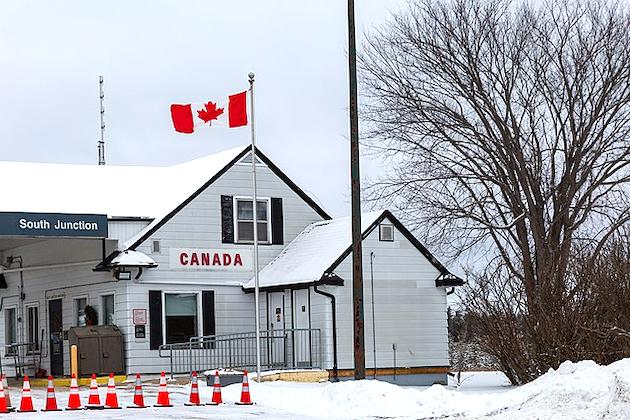
It added, “Asylum claims from people who enter Canada between ports of entry along the Canada–US land border and who make a claim after 14 days won’t be referred to the IRB.”
The new law, “Bill C-12” focuses on four key areas: “new eligibility requirements for asylum claims a modernized asylum process, domestic information sharing, Immigration document and application authorities.”
The new law followed a major reform in Canada immigration with focus on asylum for immigrants, a development that could affect Nigerians and other foreign nationals seeking asylum in Canada.
In 2025, at least 13,171 Nigerians who applied for refugee protection in Canada between January 2013 and December 2024 had their claims rejected.



