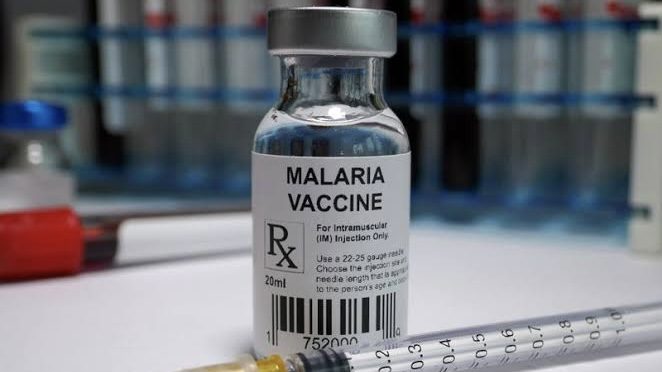
Malaria vaccination is expanding across Africa, with early results showing fewer severe cases and deaths, even as funding challenges threaten to slow progress.
The update came ahead of World Malaria Day on Saturday in a statement on Friday.
Gavi, the Vaccine Alliance, said 25 African countries had introduced malaria vaccines into routine immunisation programmes since 2024, marking the fastest rollout of its kind in the alliance’s history, with more than 50 million doses already delivered.
Early reports from Kenya, Malawi, Ghana and Cameroon show a drop in severe malaria cases and hospital admissions, pointing to growing impact across the continent.
In Burkina Faso, where the vaccine has been expanded nationwide alongside other control measures, malaria cases fell by 32 per cent between 2024 and 2025, while deaths dropped by 50 per cent.
Children under five recorded the most significant improvement.
Gavi said the results support earlier pilot findings, which showed that available malaria vaccines are more than 70 per cent effective in preventing infections within the first year when administered before peak rainy seasons.
Despite the progress, the alliance warned that its malaria programme faces a 30 per cent funding shortfall.
Gavi aims to help countries fully vaccinate 50 million more children over the next five years, a move expected to save more than 180,000 lives, but said the funding gap is at risk of limiting the number of vulnerable children the alliance can help.
The alliance also warned that rising temperatures and changing weather patterns linked to climate change are increasing malaria transmission, further pressuring control efforts.
Working with partners including the World Health Organisation, UNICEF, the World Bank and the Bill & Melinda Gates Foundation, Gavi has helped vaccinate more than 1.2 billion children since 2000 and prevented over 20.6 million deaths globally.