
CAIRO
- All workers at oil facilities, installations, Petroleum Institute in Zawiya are safe, NOC says
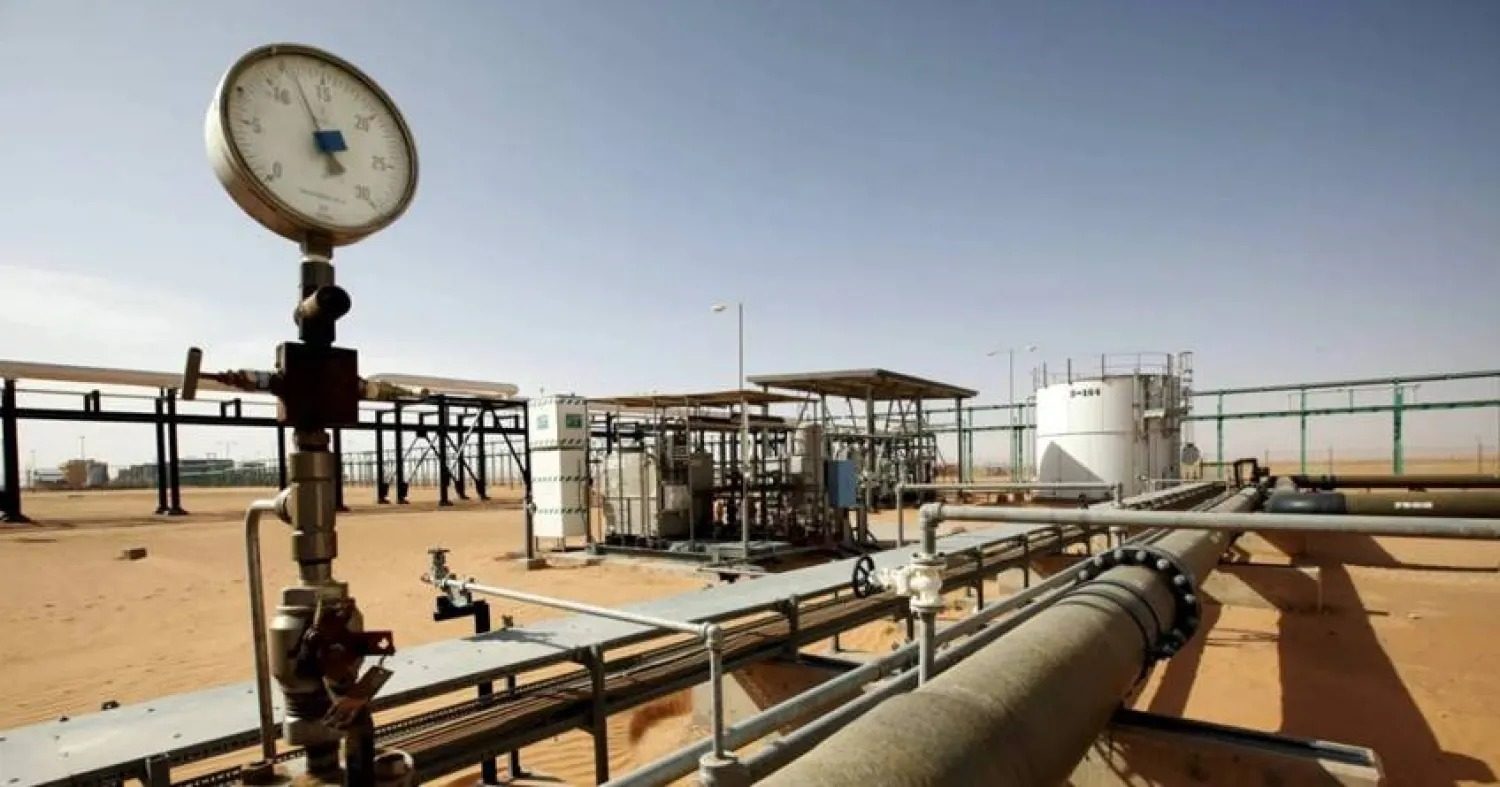
Libya’s National Oil Corporation (NOC) announced Friday a “precautionary halt” to operations at the Zawiya oil complex after heavy weapons fire struck the facility during clashes between armed groups.
The refinery, located about 40 kilometers (25 miles) west of the capital Tripoli, is considered Libya’s largest operational refinery, with a production capacity of 120,000 barrels per day.
In a statement, the NOC reassured that all workers at the oil facilities, installations, and the Petroleum Institute in Zawiya are safe, adding that all employees, staff members, and students at the institute had been evacuated, except for firefighting teams working to contain the fires.
The “sirens were activated according to the emergency plan after clashes involving heavy weapons, which have been escalating in the vicinity of the oil complex in the city since the early hours of Friday,” it added.
The clashes resulted in several heavy weapon projectiles landing in different parts of the oil complex, the statement read.
The clashes reached “the residential area adjacent to the refinery, making the area a direct target for heavy shelling in various locations, which significantly increased the seriousness of the situation,” according to the same source.
“The Zawiya oil port was evacuated of all tankers present, and the refinery was suspended as a precautionary measure,” it said.
Earlier Friday, a state of emergency was declared at Libya’s Zawiya oil refinery amid armed clashes near the facility, local outlet Libya Al-Ahrar reported.
The facility is connected to the Sharara oil field, which produces around 300,000 barrels per day.
Furthermore, the Zawiya Security Directorate announced the launch of a broad security operation targeting what it described as “hideouts of outlaws,” according to a statement issued in coordination with security agencies and based on orders from the public prosecution.
Libya remains divided between two rival administrations: the internationally recognized Government of National Unity (GNU) in Tripoli led by Abdul-Hamid Dbeibah and an eastern-based administration appointed by the House of Representatives and headed by Osama Hammad in Benghazi.
The UN has for years led efforts aimed at resolving the political divide and organizing long-delayed elections intended to reunify Libya’s institutions.



