GENEVA
- Doctors Without Borders warns outbreak is “out of control” after weeks of undetected transmission in conflict-hit eastern Congo
- Red Cross says fear, misinformation and weak health systems, and intense population movement could complicate efforts to contain spread across borders
An Ebola outbreak centered in the eastern Democratic Republic of the Congo and spreading into neighboring Uganda is raising alarm among global health authorities, who warn that the virus may already be circulating far beyond officially confirmed cases.
The World Health Organization (WHO) earlier this week declared the outbreak a public health emergency of international concern, citing the risk of wider regional spread, rising infections in urban areas, and the severe operational challenges facing responders in eastern Congo.
This is the highest global health alert and is intended to mobilize international coordination, funding and preparedness efforts.
At the center of concerns is the Bundibugyo strain of Ebola, a less common variant for which there are currently no approved vaccines or treatments.
WHO Director-General Tedros Adhanom Ghebreyesus said the outbreak currently poses a high risk at national and regional levels, although the global risk remains low.
According to WHO data as of May 18, Congo has reported 516 suspected cases and 131 suspected deaths across Ituri and North Kivu provinces, with 33 confirmed infections and four confirmed deaths. Uganda has also confirmed two imported cases in Kampala, including one death.
WHO says Ebola’s average fatality rate is around 50%, although rates in past outbreaks have ranged from 25% to 90% – a statistic that should ring alarm bells.
The outbreak was officially confirmed on May 15 after laboratory testing identified Bundibugyo virus disease in samples from eastern Congo.
WHO said the first alerts emerged after reports of an unknown illness with high mortality in Mongbwalu Health Zone, including four health workers who died within days.
Health officials and aid organizations fear the outbreak may be significantly larger than current figures suggest because the virus likely circulated undetected for weeks before being identified.
“Surveillance is at the core for the containment of any outbreak but especially for Ebola,” Manuel Albela Miranda, an epidemiology Adviser at Doctors Without Borders (MSF), told Anadolu.
“We know that the virus has been circulating for several weeks before the first alerts were received, which means a big number of cases have been accumulating for all that time. So at the moment the outbreak is out of control,” he said.
More than 660 contacts are currently being monitored across both countries as health authorities race to contain the spread.
Why this outbreak is different
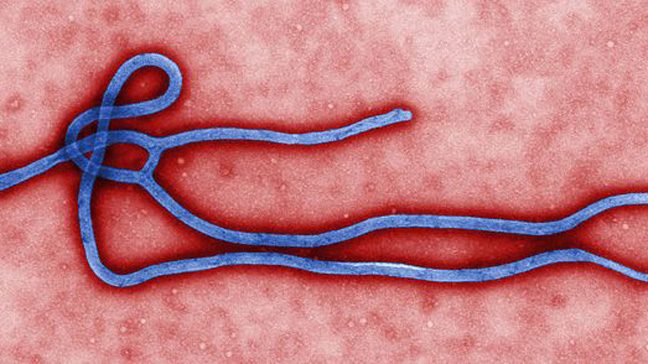
Ebola disease is caused by viruses belonging to the Orthoebolavirus genus. Three strains are known to cause major outbreaks in humans: Ebola virus (Zaire), Sudan virus and Bundibugyo virus.
Eastern Congo has experienced multiple Ebola outbreaks over the past decade, including the massive 2018-2020 epidemic in North Kivu and Ituri that killed more than 2,000 people.
Health responders say repeated outbreaks have improved preparedness in some areas but have also left communities exhausted and, in some cases, distrustful of authorities and outside responders.
Uganda has also previously battled Ebola outbreaks and serves as a major regional transit corridor in East Africa, increasing concerns over cross-border transmission.
While vaccines and monoclonal antibody treatments exist for the Ebola virus strain responsible for some previous outbreaks, there are currently no licensed vaccines or approved therapeutics specifically for the Bundibugyo strain.
“Speed matters during Ebola outbreaks, particularly when there is no licensed vaccine or specific targeted treatment available, as is the case with the Bundibugyo strain,” Scott Craig from the International Federation of Red Cross and Red Crescent Societies (IFRC) told Anadolu.
WHO is now working with experts and Congolese authorities to accelerate vaccine research efforts.
One candidate vaccine, Ervebo, could become available in roughly two months, according to Anne Ancia, WHO representative in Congo.
The single-dose vaccine has previously proven highly effective against the Zaire strain of Ebola, although it is not specifically approved for the Bundibugyo variant.
WHO has warned that the outbreak’s true geographic spread remains unclear.
Craig warned that “the risk of further spread is high.” He said the proximity of outbreak zones to Uganda and South Sudan further increases the need for cross-border coordination and preparedness.
The outbreak is unfolding in an area already destabilized by armed violence, mass displacement and fragile health systems.
According to WHO, Bunia, one of the affected cities, is a major transport and commercial hub with intense population movement across borders with Uganda and South Sudan. Mining activity, insecurity and weak contact tracing systems are also increasing transmission risks.
“Responding to a large Ebola disease outbreak is extremely challenging in a context marked by a major humanitarian crisis and ongoing armed conflicts in eastern provinces of the country particularly in Ituri and North Kivu,” Albela Miranda said.
The MSF official noted that more than 5 million internally displaced people are concentrated in North Kivu, South Kivu, and Ituri, with 96% displaced due to armed violence.
Symptoms and spread
According to the WHO, Ebola symptoms can appear suddenly between two and 21 days after infection. Early signs typically include fever, fatigue, muscle pain, headache and sore throat, followed by vomiting, diarrhea, abdominal pain and rash. In severe cases, patients may develop internal and external bleeding, including blood in vomit or stool.
Because early symptoms resemble illnesses such as malaria, typhoid fever or dengue, the WHO says laboratory testing is essential to confirm infection.
Scientists believe fruit bats are likely natural hosts of Ebola viruses. The virus can spread to humans through close contact with infected animals or contaminated bodily fluids.
Human-to-human transmission occurs through direct contact with blood, saliva, sweat, vomit, feces or other body fluids of infected people.
People are not contagious before symptoms appear, but remain infectious while the virus is present in their blood. Burial ceremonies involving direct contact with bodies have also historically contributed to transmission.
WHO says health workers, caregivers and people involved in funeral rituals are among those most at risk during outbreaks.
People should also avoid touching dead animals or consuming raw meat from potentially infected wildlife.
Aid groups say public trust and early reporting of symptoms remain essential for containing outbreaks.
“That is why trusted local engagement is such a central part of the response,” Craig said.
According to Craig, Red Cross volunteers are conducting door-to-door awareness campaigns in affected areas to explain how Ebola spreads, counter misinformation and encourage residents to seek care early.
Response efforts face mounting challenges
WHO and aid agencies have deployed emergency personnel, laboratory equipment and medical supplies to affected areas, while emergency operations centers and border screening measures have been activated in both Congo and Uganda.
Responders warn that limited isolation capacity, shortages of protective equipment and fragile healthcare systems continue to complicate containment efforts.
Albela Miranda said testing remains challenging because the Bundibugyo strain requires a “different and more complex” diagnostic process than other Ebola viruses.
“We are seeing day after day suspected cases being reported from new locations. So indeed, there is a real concern about the spread of the disease,” he said.
Meanwhile, WHO continues to advise against border closures and travel restrictions, warning such measures can drive movement underground and make outbreaks harder to track.
The coming weeks are now seen as critical for understanding the scale of the outbreak, containing it, and accelerating efforts to identify effective vaccines and treatments for the Bundibugyo strain.