The UN International Organisation for Migration (IOM) on Tuesday warned of a rapidly expanding, multibillion-dollar criminal industry that turns job seekers into forced cybercriminals.
In its alert on forced online scams, IOM warned that trafficking networks were booming. The international migration agency warned that a job advert can hide a criminal network, and a single click can lead to a nightmare.
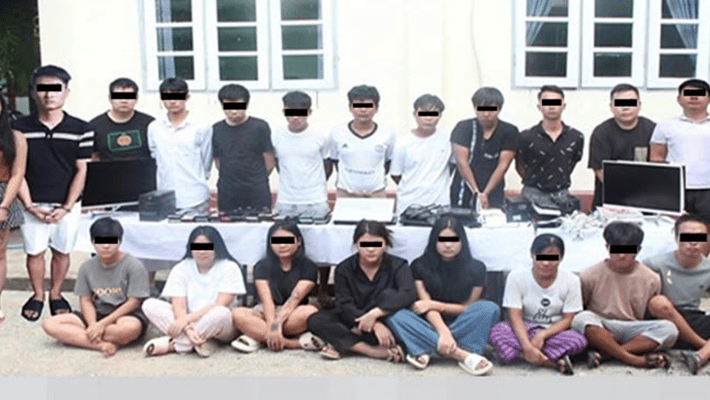
Hundreds of thousands of people are trafficked every year on the promise of legitimate work abroad, only to be held captive and forced into online scam operations, IOM said.
Amy Pope, IOM’s director-general, said in Geneva that victims from over 80 different countries are being trafficked into the scam centres, which are playing out across Asia. Recruiters target people who speak good English and often hold degrees, she said, advertising what look like ordinary jobs on social media.
According to her, once victims arrive, they are locked inside compounds, stripped of their passports and phones, and put under constant watch, with many being beaten or threatened and forced, through violence and debt bondage, to run scam operations targeting people worldwide.
“They’re often subjected to physical or mental abuse. They are often unable to leave,” Ms Pope said. The warning signs are there for anyone willing to look. What often presents as something that looks like an ideal job opportunity is just too good to be true.”
One red flag IOM identified is travel on a tourist visa rather than a work permit, a question every applicant should ask before departure. IOM insisted that people forced to run scams from inside these compounds are trafficking victims, not criminals, and should be protected rather than prosecuted.
“We’re seeing many of the survivors of trafficking actually being identified as criminals, but in reality, they are the victims of this crime,” Ms Pope said.
While the scam centres are based in Asia, IOM said traffickers recruited globally through social media, widening the network’s reach.
Between 2022 and 2025, IOM said it assisted more than 3,500 victims of forced criminality in South-East Asia, drawn from 39 countries, most from Indonesia, India, Sri Lanka, Ethiopia, Kenya and Bangladesh.
According to IOM, rescue is only the start of recovery, as survivors often return home facing trauma, stigma, debt, missing documents and fear of prosecution.
New UN Office on Drugs and Crime (UNODC) data decried that the scale of online scams is staggering.
The UNODC data put 2025 losses from scam offences across East and South-East Asia, Australia and New Zealand at between $88.3 billion and $114.1 billion, dwarfing the resources devoted to fighting trafficking.
Ms Pope warned that unless we take the issue quite seriously, it will continue to grow.
IOM called for greater investment in victim protection, safe return and reintegration, and wider public awareness of traffickers’ tactics.
(NAN)