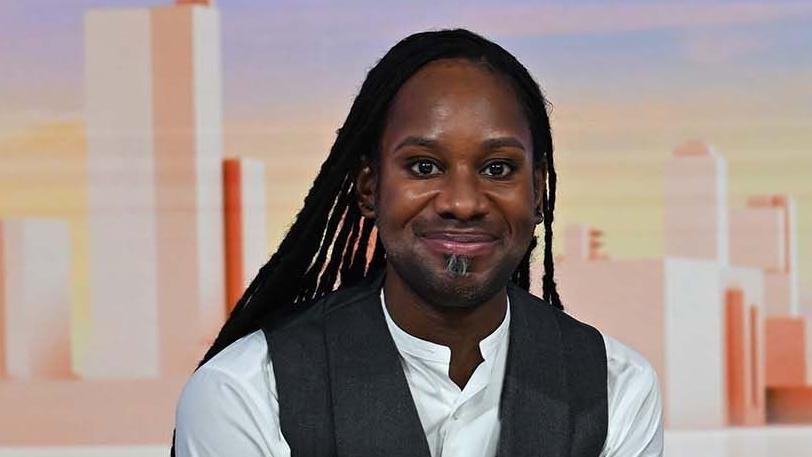
Jason Arday, a decorated academic who became a professor at 37, faces serious plagiarism allegations that have scrutinized his academic career.
The claims first surfaced in 2024 when Nathan Cofnas, a U.S. researcher and self-proclaimed “race realist”, said there would be “close to zero” Black professors in Harvard if appointments were based on merit.
Mr Cofnas said he examined Mr Arday’s work with plagiarism software and discovered multiple plagiarised citations, stating that “many passages are lifted with minimal editing, sometimes retaining copy-editing mistakes from the original source”.
Cambridge sacked Mr Cofnas from Emmanuel College over backlash stemming from his views that Blacks would “disappear from almost all high-profile positions outside of sports and entertainment” under true meritocracy.
Mr Cofnas further cited former accusations by David Harris, another academic critical of Mr Arday’s work. Mr Harris’ plagiarism claims led to two corrections in Mr Arday’s works.
The U.S. researcher questioned Mr Arday’s achievements of running 600 miles within six days on a treadmill and raising £5 million within 20 years for charity.
Mr Arday said he could not disclose the funds’ details due to the non-disclosure agreement he entered with the donors.
Queried about the sports feat, he admitted that he actually completed it in 12 days because he “had to put rest days in between the running days just to finish” due to the “cumulative wear and tear of training”.
Two universities that gave Mr Arday honorary degrees edited the 600-miles-six-days citation after his statement. Southampton Solent University removed the citation while Anglia Ruskin University amended the previous claim of six days to 12 days.
Mr Arday, who had a speech delay until age 11 and was unable to read and write until 18 due to autism, said he lacked adequate supervision while studying for his PhD and was too broke to afford a proofreader.
While his supporters called the scrutiny a smear campaign, critics like John Preston, a sociology professor at the University of Sussex, insisted that “there is a case to answer here”.
“Mistakes happen. If sociology of education is to ever be a field with any credibility, we need to be able to point these out, correct them, and move on,” Mr Preston stated. “No personal shame in making mistakes and admitting them.”