
Stakeholders in the health sector have called for renewed commitment to building Africa’s health resilience through sustainable financing, innovation, and equity-driven reforms to reduce premature deaths and disease burdens.
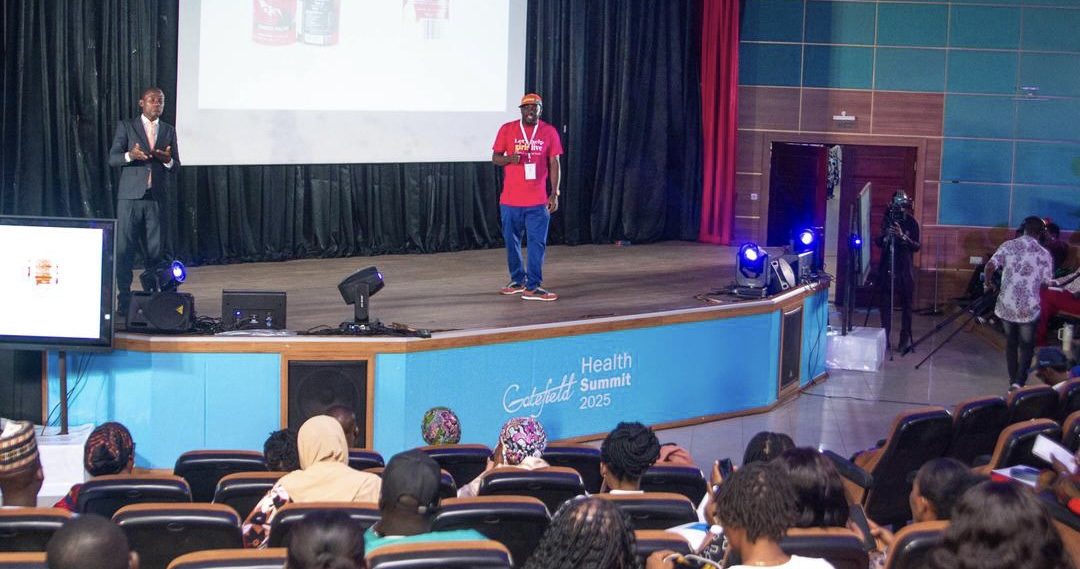
Speaking at the Gatefield Health Summit on Wednesday in Abuja, Adewunmi Emoruwa, lead strategist at Gatefield, said the average healthy life expectancy in Nigeria was 54 years, compared to 64 years in Kenya, 81 years in Europe, and 85 years in Hong Kong, adding that “at 25, a Nigerian has nearly lived half their healthy life”.
He noted that resilience in health meant learning from instead of reliving the same crises, citing recurring outbreaks like Yellow Fever and Lassa Fever, which continued to claim thousands of lives annually across West Africa.
He said health inequities are reflected even in consumer products, adding that “Cerelac sold in African markets contains nearly seven kilogrammes of sugar, while the version sold in Europe contains none”.
On health financing, he lamented that Africa bore 25 per cent of the global disease burden but received only 3 per cent of global health spending, with Nigeria’s family planning budget recently slashed by 97 per cent — from ₦2.2 billion to ₦66 million.
“If just one per cent of Nigeria’s diaspora gave to systemic health interventions, the country could add 200 million dollars to its health budget,” he said.
He stressed that Africa could add over 20 years of healthy life expectancy if resilience and accountability are prioritised.
Niti Pall, president-elect of the International Diabetes Federation, also stated that the mortality rate for people with diabetes during the COVID-19 pandemic was very high, underscoring the need for patient empowerment, saying, “Chronic diseases cannot be treated only in hospitals and secondary healthcare. We must empower patients and people living with diabetes to manage their conditions effectively.”
In her presentation, Kafayat Alawode, programme director at Development Governance International Consult, presented new research showing that medical inflation in Nigeria was outpacing general inflation, deepening inequality in access to life-saving medicines.
Ms Alawode revealed that the cost of anti-diabetes drugs had surged, forcing many Nigerians to spend over 10 per cent of their income on insulin, and in extreme cases, as much as 85 per cent.
She explained that the rising cost of essential medicines threatened treatment adherence and exposed vulnerable patients to complications that could have been prevented through stronger price regulation and domestic production.
She called on policymakers to prioritise local pharmaceutical manufacturing, enhance price transparency, and strengthen public procurement mechanisms to protect citizens from the impact of health inflation.
Aisha Mustapha, a consultant obstetrician and gynaecologist at Ahmadu Bello University Teaching Hospital, noted that Nigeria still records the world’s highest maternal mortality rate.
She stressed that “after a woman escapes maternal mortality and morbidity, cervical cancer is waiting for her”.
Ms Mustapha urged advocacy for women’s health through obesity prevention, girl-child vaccination, and cervical cancer screening to build a resilient health future.
(NAN)



