A climate expert, Akinmayowa Shobo, has warned that rising temperatures across Nigeria pose serious threats to public health, agriculture and vulnerable populations.
Mr Shobo, programme manager at HEDA Resource Centre, disclosed on Monday in Lagos.
He said the development aligned with the Nigerian Meteorological Agency’s 2026 Seasonal Climate Prediction.
Mr Shobo said the forecast called for warmer-than-normal temperatures across most of Nigeria, particularly in the northern and north-central states.
According to him, states including Borno, Yobe, Adamawa, Jigawa and Sokoto may record daytime temperatures between 37°C and 43°C during March and April.
He said warmer nights accompanying extreme daytime temperatures could worsen heat stress for humans, animals and crops.
Mr Shobo said research had shown that extreme heat could cause hyperthermia in livestock, damaging vital organs and sometimes leading to death.
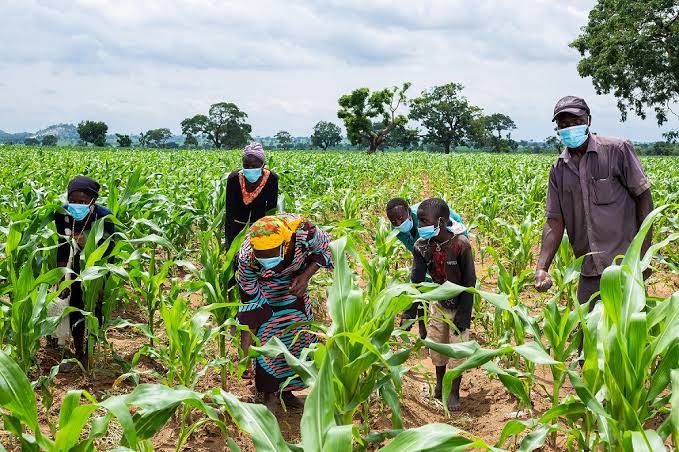
He added that prolonged temperatures above 35°C during maize reproduction could reduce seed formation and crop yields.
The expert noted that global temperature records show increasing warming trends over the past decade.
“Between 2015 and 2025, the World Meteorological Organisation recorded the warmest years on record globally. In 2025, global temperatures were about 1.47°C above pre-industrial levels,” he said.
Mr Shobo identified outdoor workers, elderly persons, young children and pregnant women as among the most vulnerable groups to heatwave impacts.
He added that low-income earners were also highly exposed due to limited access to cooling systems and reliable electricity.
According to him, studies have linked intense heat events in Nigeria to heat exhaustion, heat strokes, and increased mortality.
Mr Shobo noted that Nigeria’s average temperature had risen by about 1.2°C in recent decades and could increase significantly by the end of the century. He said past heatwaves had already caused deaths and increased hospital admissions in several parts of the country.
The expert also cited urbanisation, deforestation, and poor electricity supply as factors that worsen Nigeria’s vulnerability to heatwaves. He recommended immediate interventions, including community education on heatwave preparedness and improved emergency response systems.
Mr Shobo also called for the establishment of cooling centres, mobile health clinics and improved access to clean drinking water during extreme heat periods. He restated the need for stronger communication networks and effective power grid management to reduce heatwave disruptions.
According to him, advanced technologies such as artificial intelligence, drones and satellite imaging can improve heat monitoring and early warning systems.
Mr Shobo urged collaboration among government agencies, civil society organisations and local communities to strengthen disaster preparedness.
He also stressed the need for long-term solutions such as climate-resilient infrastructure, renewable energy and climate-smart agriculture.
The expert recommended developing a national heat action plan and stronger environmental regulations to reduce deforestation and emissions.
He added that innovative approaches such as green roofs, urban forestry and heat-resistant crop varieties could help Nigeria adapt to rising temperatures.
(NAN)