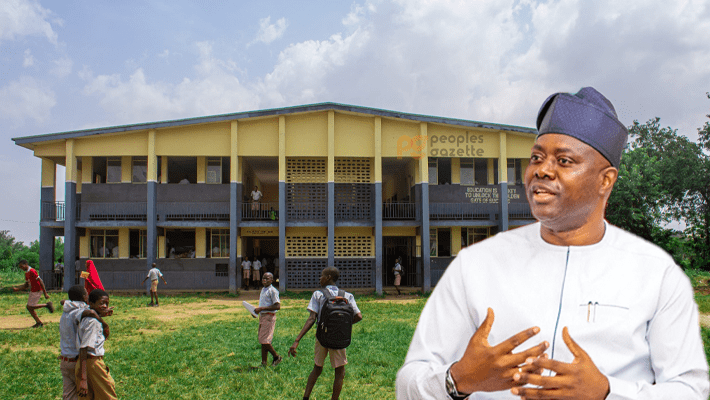
Research study conducted in Oyo state found that many public primary schools lack adequate water and sanitation facilities, posing serious health risks to pupils.
The study, conducted by the Geospatial Research Unit of the Olympus Consciousness Initiative, indicated that this also threatens the attainment of the United Nations Sustainable Development Goal 6 (SDG 6). Presenting the report on Monday in Ibadan, the lead researcher, Oluwaseun Addie, said the situation was most critical in rural schools, where basic water and toilet infrastructure were largely absent.
“We found that fewer than 20 per cent of public primary schools in the state have adequate sanitation facilities, while access to safe drinking water remains severely limited,” he said.
According to the report, wells constitute the major source of water in most schools, while pit latrines are the dominant toilet facility. He, however, said these facilities were often poorly maintained, unhygienic and unsafe for children.
“The lack of functional toilets in many schools likely encourages open defecation, which increases exposure to health risks among pupils,” Mr Addie said.
The study indicated that disparities exist among urban, semi-urban and rural schools, with rural communities being the most underserved in terms of water and sanitation provision. The report linked the poor facilities to the spread of water and sanitation-related diseases, including malaria, typhoid and diarrhoea, which negatively affect pupils’ health, school attendance and overall learning outcomes.
Mr Addie warned that, without urgent intervention, the state would struggle to meet SDG 6, which aims to achieve universal access to clean water and sanitation by 2030.
To address the challenges, the study recommended that the Oyo government prioritise the provision of clean, reliable water sources and improved sanitation facilities in public primary schools.
It also stressed the need for gender-sensitive toilets, particularly to support girls’ health, safety and retention in school.
The report further called for greater community involvement in the maintenance of school facilities, as well as regular hygiene education programmes for pupils and teachers.
“Improving water and sanitation in schools is not just a health issue; it is fundamental to quality education and child development,” Mr Addie said.
(NAN)