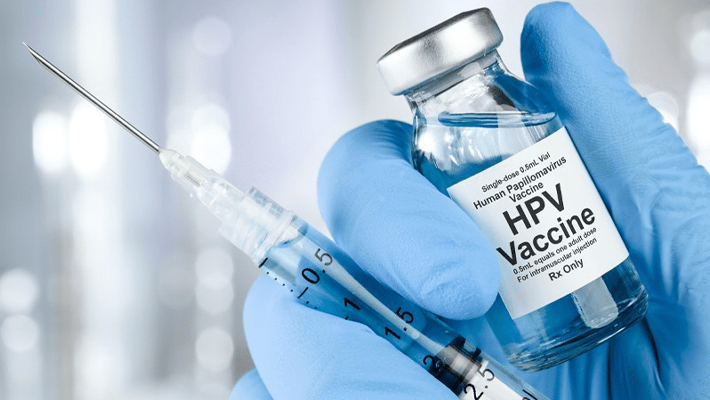
Gavi, the Vaccine Alliance, says more than one million cervical cancer deaths have been averted in lower-income countries following a major scale-up of the human papillomavirus (HPV) vaccine.
Gavi announced the milestone in a statement on Monday, marking the first World Cervical Cancer Elimination Day.
The alliance noted that an estimated 86 million girls were now protected against the leading cause of cervical cancer.
Its chief executive officer, Sania Nishtar, said the achievement followed a three-year effort inaugurated in 2023 to revitalise the HPV vaccination programme.
“Every two minutes, a woman dies from cervical cancer—a disease that is both devastating and largely preventable.
“Thanks to strong commitment from countries, partners, civil society, and communities, we have reached our target ahead of schedule,” she said.
Ms Nishtar said cervical cancer strikes hardest in lower-income countries, which accounted for 90 per cent of the 350,000 global deaths recorded in 2022.
“The alliance adds that the HPV vaccine remains highly effective, preventing 17.4 deaths for every 1,000 children vaccinated,” she said.
According to her, the HPV vaccine will be available in countries that represent 89 per cent of global cervical cancer cases by the end of 2025.
“Coverage in Africa rose to 44 per cent in 2024, surpassing Europe’s 38 per cent, while coverage across all Gavi-supported countries increased to 25 per cent, up from eight per cent in 2022.
“Since 2014, Gavi’s HPV vaccination programme has generated over 2.3 billion dollars in economic benefits across 43 lower-income countries,” she stated.
The CEO stated that the progress was made possible through affordable vaccine pricing, expanded supply, the adoption of a single-dose schedule, and large-scale campaigns targeting adolescent girls.
She said that up to seven more countries were expected to introduce the HPV vaccine into their national immunisation programmes in the coming months.
According to her, ongoing campaigns in Sierra Leone and Liberia are extending protection to girls aged up to 18 years.
Gavi is a public-private partnership that helps vaccinate more than half the world’s children against some of the world’s deadliest diseases.
The Vaccine Alliance brings together developing countries, donor governments, the World Health Organisation, the United Nations Children’s Fund, the World Bank, the vaccine industry, technical agencies, civil society, the Gates Foundation, and other private sector partners.
Since its inception in 2000, Gavi has helped immunise over 1.2 billion children and prevented more than 20.6 million future deaths, contributing to a 50 per cent reduction in child mortality in 78 lower-income countries.
(NAN)