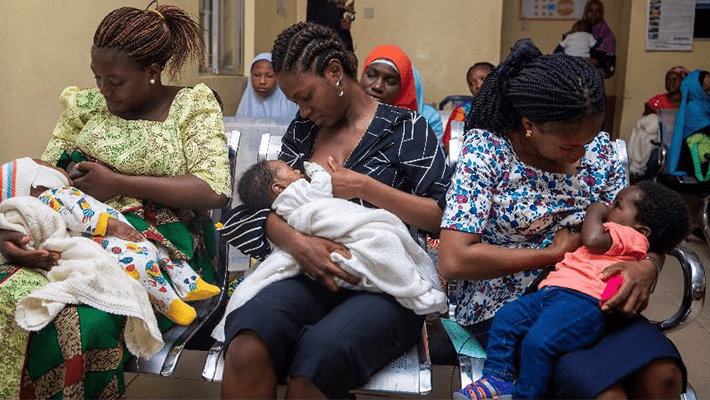
Nicholas Ba’amlong, Plateau’s commissioner for health, says breastfeeding significantly improves maternal and child health while delivering economic and environmental benefits, describing it as one of the most effective and affordable public health interventions available.
Mr Ba’amlong said this on Monday in Jos during the 2026 World Breastfeeding Week celebration. According to him, exclusive breastfeeding during the first six months of life significantly reduces childhood illnesses, including diarrhoea, pneumonia and malnutrition, while improving growth outcomes and strengthening the overall wellbeing of children.
He added that continued breastfeeding alongside appropriate complementary feeding up to two years and beyond helps reduce the risk of obesity and other non-communicable diseases later in life for children.
Mr Ba’amlong said breastfeeding offered important health benefits to mothers, including faster recovery after childbirth, reduced postpartum bleeding and natural child spacing through the Lactational Amenorrhoea Method under appropriate conditions and circumstances.
He further said that breastfeeding lowered mothers’ risk of developing breast and ovarian cancers, type 2 diabetes and cardiovascular diseases, making it a critical component of long-term maternal health promotion, adding that breastfeeding benefits families economically by reducing expenditure on infant formula and treatment of childhood illnesses, thereby easing financial burdens and improving household welfare and stability nationwide.
According to him, breastfeeding also supports environmental sustainability by eliminating manufacturing, packaging, and transportation requirements for breast milk substitutes, thereby significantly reducing pollution, waste generation, and carbon emissions.
Mr Ba’amlong reaffirmed the Plateau government’s commitment to improving maternal, newborn, child and adolescent nutrition through evidence-based interventions designed to strengthen healthcare delivery and promote optimal breastfeeding practices statewide.
He said the government would continue promoting breastfeeding initiation within one hour of birth, exclusive breastfeeding for six months, continued breastfeeding beyond infancy and stronger baby-friendly initiatives statewide.
The commissioner called on mothers, families, communities, healthcare workers and development partners to support and protect breastfeeding, describing it as a vital investment in every child’s health, development and future.
World Breastfeeding Week is observed annually from August 1 to 7 to raise awareness and encourage actions supporting maternal and child nutrition globally.
(NAN)