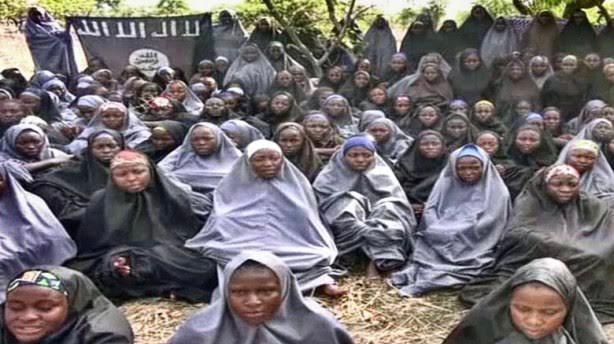
Twelve years after the abduction of 276 schoolgirls from Government Girls Secondary School, Chibok, Borno, concerns have resurfaced over accountability and dwindling global attention.
The girls were abducted on April 14, 2014, by Boko Haram insurgents, sparking global outrage and the Bring Back Our Girls campaign.
The Murtala Muhammed Foundation, in a statement marking the anniversary on Tuesday, said 89 of the abducted girls remain unaccounted for more than a decade later.
According to the foundation, 187 of the girls have either escaped or been rescued, but no confirmed recovery has been recorded in the past year.
MMF CEO Aisha Muhammed Oyebode described the Chibok tragedy as a symbol of systemic failure and fading collective responsibility.
“Chibok has become more than a place or a moment in time; it is now a metaphor for neglect and a failure of accountability,” Ms Oyebode said.
She added that the tragedy reflects a loss of sustained empathy for victims and families still grappling with the consequences of the abduction.
Ms Oyebode also revealed that more than 40 children were born in captivity and have since returned with their mothers, highlighting the long-term human impact.
Ms Oyebodee noted that the incident, once a global rallying point, now underscores challenges in sustaining international attention and commitment.
The MMF chief expressed concern over the continued abductions of schoolchildren in parts of Nigeria, particularly in vulnerable communities. She warned that recurring incidents have deepened fears among families and weakened confidence in the safety of education, especially for girls.
Ms Oyebode called on the federal government to intensify efforts to locate the remaining girls and ensure transparency in its operations. She also urged the United Nations and the international community to re-engage and support coordinated strategies to protect children in conflict-affected areas.
According to her, the impact of the abduction extends beyond those still missing, affecting survivors, families, and communities through trauma and disrupted education.
“Chibok must not be remembered only as a tragedy; it must remain a call to action until every missing girl is accounted for,” Ms Oyebode said.
(NAN)