• About
  • Privacy Policy
  • Contact
Wednesday, June 3, 2026
No Result
View All Result
NEWSLETTER
Diplomatic Info
  • Home
  • Diplomacy
  • Embassy News and Info
  • Events
  • Business
  • Politics
  • Security
  • Cover Story
  • ECOWAS
    • Togo
    • Sierra Leone
    • Senegal
    • Nigeria
    • Niger
    • Mali
    • Liberia
    • Guinea Bissau
    • Guinea
    • Ghana
    • The Gambia
    • Cote D’Ivoire
    • Cabo Verde
    • Burkina Faso
    • Benin
  • Advertise
    • mail
  • Donate
  • Home
  • Diplomacy
  • Embassy News and Info
  • Events
  • Business
  • Politics
  • Security
  • Cover Story
  • ECOWAS
    • Togo
    • Sierra Leone
    • Senegal
    • Nigeria
    • Niger
    • Mali
    • Liberia
    • Guinea Bissau
    • Guinea
    • Ghana
    • The Gambia
    • Cote D’Ivoire
    • Cabo Verde
    • Burkina Faso
    • Benin
  • Advertise
    • mail
  • Donate
No Result
View All Result
Diplomatic Info
No Result
View All Result
Home International

Hormuz disruptions could raise vulnerable economies’ oil import costs by $20B per year: UN trade agency

UNCTAD warns rising energy prices could deepen structural vulnerabilities across oil-importing developing countries

by Diplomatic Info
June 3, 2026
in International, Security
0
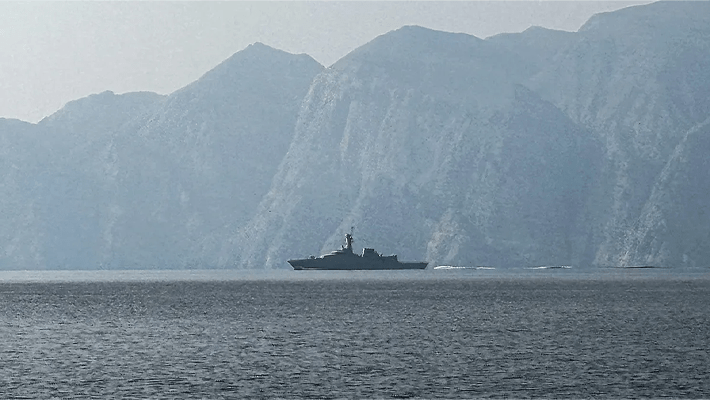
Strait of Hormuz closed, ships passing will be attacked, Iran warns
0
SHARES
0
VIEWS
Facebook ShareShare on WhatsAppTweet it!

GENEVA

Disruptions in the Strait of Hormuz could increase the annual oil import bill of vulnerable economies by more than $20 billion, the United Nations Conference on Trade and Development (UNCTAD) said Tuesday.

That would place additional pressure on countries already facing significant economic challenges.

In a new report, UNCTAD said 65 of 75 vulnerable economies, including least developed countries (LDCs) and small island developing states (SIDS), are net importers of oil. Together, the economies are home to 983 million people, more than 30% of whom live below the extreme poverty line of $3 a day.

The agency said crude oil prices have risen by more than 40% and gasoline prices by more than 50% following the latest military escalation.

The report said vulnerable economies rely overwhelmingly on refined petroleum products, which account for 97.8% of their net oil imports, reflecting limited domestic refining capacity.

UNCTAD estimates that a 50% increase in oil prices would raise the annual net oil import bill of the 65 vulnerable economies by $20.4 billion if import volumes remain unchanged. Of that amount, $16.1 billion would fall on LDCs and $4.3 billion on SIDS.

The report identified several countries facing particularly high exposure. A 50% oil price increase would raise import costs by the equivalent of 7.3% of GDP in Mauritania, 6.3% in Gambia and 5% in Burkina Faso. Among SIDS, the increase would reach 5.8% of GDP in Vanuatu, 5.2% in the Maldives and 4.4% in Tonga.

UNCTAD also highlighted dependence on oil supplies originating from the Hormuz region. Seychelles sources 99% of its oil imports from the region, while Uganda relies on it for 61.5% of its imports. Mauritius, Tanzania, Zambia, the Maldives, and Mauritania also source significant shares of their oil imports from the area.

The agency warned that higher oil prices would increase freight and fuel costs, contribute to broader inflation, place additional fiscal pressure on governments and slow economic growth. It said vulnerable economies could face difficult trade-offs between covering rising fuel bills and sustaining essential services and long-term development investment.

The report said, “When the Strait of Hormuz is strangled, the world’s poorest and most vulnerable cannot breathe,” quoting UN Secretary-General Antonio Guterres.

Diplomatic Info

Diplomatic Info

Next Post
Ticket Prices for FIFA 2026 World Cup: What football fans need to know

Iran football team receives Mexican visas ahead of World Cup

Recommended

Pentagon says it is repositioning some personnel, assets in Niger

Pentagon says it is repositioning some personnel, assets in Niger

3 years ago
SA’s biggest food producer halts advertising amid unrest

SA’s biggest food producer halts advertising amid unrest

5 years ago

Popular News

    Connect with us on Facebook

    Subscribe to Our Newsletter

    Enter your email now to join our community of readers, and get new contents straight to your inbox

    We promise to not spam you

    Thanks for joining in.

    Category

    • Africa
    • Benin
    • Burkina Faso
    • Business
    • Cote D'Ivoire
    • Cover Story
    • Diplomacy
    • ECOWAS
    • Education
    • Embassy News and Info
    • Events
    • Ghana
    • Guinea
    • Guinea Bissau
    • International
    • Liberia
    • Mali
    • News
    • Niger
    • Nigeria
    • Politics
    • Programs
    • Security
    • Senegal
    • Sierra Leone
    • The Gambia
    • Togo
    • Uncategorized

    Quick Links

    • About
    • Contact
    • Privacy Policy
    • Advertise

    About Us

    Providing strategic insights into important social, cultural, political, and economic factors that significantly influence business and nations, Diplomatic Info will examine these critical issues and provide strategies that create competitive advantages.

    © 2025 Diplomatic Info - Proudly designed with Love from Talongeeks.

    No Result
    View All Result
    • Home
    • Diplomacy
    • Embassy News and Info
    • Events
    • Business
    • Politics
    • Security
    • News
    • Cover Story
    • Africa
    • ECOWAS
      • Togo
      • Sierra Leone
      • Senegal
      • Nigeria
      • Niger
      • Mali
      • Liberia
      • Guinea Bissau
      • Guinea
      • The Gambia
      • Cote D’Ivoire
      • Ghana
      • Cabo Verde
      • Benin
      • Burkina Faso
    • International
    • Contact

    © 2025 Diplomatic Info - Proudly designed with Love from Talongeeks.