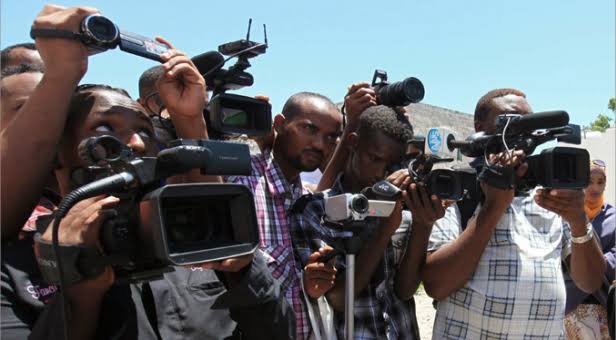
The Arewa Cohesion for Peace, Unity and Development Initiative (ACI) has warned journalists against publishing unverified, inflammatory, and sensational reports that could fuel violence and undermine public confidence during elections.
ACI director-general Abdullahi Idris issued the warning on Wednesday at a workshop in Kaduna.
The workshop, organised for 30 journalists, focused on electoral law, fairness and objectivity, fact-checking, digital verification, conflict-sensitive reporting, hate speech, and responsible coverage of election-day incidents.
Mr Idris said the media’s responsibility during elections goes beyond reporting events, stressing that the way information “is presented can influence” how citizens understand political developments and respond to electoral outcomes.
He said journalists must recognise that inaccurate reports, provocative headlines, and unverified claims can worsen existing social tensions, particularly in a diverse society such as Nigeria.
According to him, the increasing use of social media, manipulated content, and artificial intelligence has made verification more important because false information can spread to large audiences within minutes.
The ACI director-general said the organisation organised the training as part of its mandate to promote peace, cohesion, good governance, citizen participation, dialogue, and peaceful coexistence.
He stressed that ACI was not seeking to influence journalists’ editorial decisions or political choices, but to strengthen professional standards that would enable citizens to access credible information.
The director of the National Orientation Agency in Kaduna, Danjuma Makama, said public trust in elections depends largely on the quality of information available to citizens.
Mr Makama said journalists could either contribute to peaceful political participation or deepen mistrust and division through irresponsible reporting. He urged journalists to verify information before publication, distinguish facts from opinions, and avoid language that stereotypes, stigmatises, or provokes communities.
The NOA director also identified misinformation, disinformation, hate speech, and AI-generated content as emerging challenges to credible election reporting. He called for stronger collaboration among journalists, media organisations, electoral institutions, civil society organisations, and other stakeholders to counter false information and promote peaceful participation.
The zonal director of the Nigeria Television Authority (NTA), Aminu Abbas, commended ACI for organising the training, describing it as timely.
Mr Abbas urged journalists to provide accurate, balanced, and credible information, particularly when reporting election-day incidents, results, and disputes. He cautioned against hate speech, sensationalism, and unverified reports, urging participants to apply what they learned to future assignments.
The workshop brought together journalists and media practitioners to discuss electoral law, fact-checking, digital verification, conflict-sensitive reporting, and ethical election coverage.
The organisers said the training was intended to strengthen journalists’ capacity to report elections in ways that promote informed civic participation, accountability, and peaceful democratic processes.
(NAN)