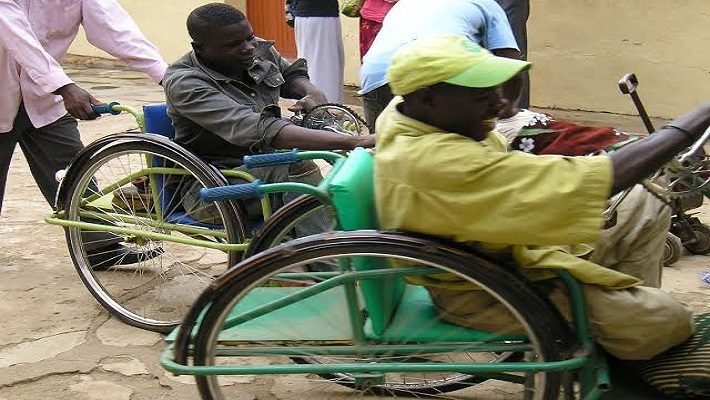
The UNESCO representative to Nigeria, Isaias da Rosa, has advocated including persons with disabilities in policymaking to bolster their participation in nation-building.
Mr Da Rosa made the call in his welcome address on Wednesday in Abuja during stakeholders’ consultation on disability policy, data and the institutional landscape in Nigeria.
The event, convened by UNESCO’s Management of Social Transformation (MOST) Programme, aimed to prioritise the rights of persons with disabilities.
According to him, disability inclusion is not only a human rights and a social issue but also a developmental issue.
He added that the programme was established on a simple but powerful conviction: knowledge must inform policy. The policy must improve people’s lives.
According to him, UNESCO supports evidence-informed policy-making to promote more inclusive, participatory, and sustainable approaches to tackle emerging social challenges.
“This requires government institutions, organisations of persons with disabilities, civil societies, researchers and academia, development partners, the private sector, and the media to act,” he said.
Khodeli Irakli, chief of the MOST Section at UNESCO Headquarters, underscored the importance of data visibility in tackling issues that affect persons with disabilities.
According to him, no one can adequately tackle what they do not properly see and measure.
“When it comes to disability inclusion, we need data. The second idea is that participation is legitimacy; policies that serve persons with disabilities must be shaped through them.
“Also, inclusion must be everyone’s responsibility. It must be embedded across sectors, institutions and levels of decision-making,” Mr Irakli said.
(NAN)